How Does a Salt Fog Test Machine Compare ASTM, ISO, and JIS Standards?
Corrosion testing using a salt fog test machine plays a vital role in evaluating product durability and reliability in industries such as automotive, aerospace, and electronics. Also known as salt spray testing, the method exposes materials to a controlled corrosive environment to evaluate their resistance to corrosion.
Several international standards are commonly used for salt fog testing, including ASTM B117, ISO 9227, and JIS Z 2371. While their basic test conditions are similar, the methods and evaluation requirements can differ. Understanding these differences helps manufacturers select the appropriate test method and chamber configuration.
A Deep Dive into ASTM B117: Salt Spray (Fog) Apparatus and Its Applications
ASTM B117 is one of the most widely recognized salt fog testing standards, particularly in North America. Established by ASTM International, it provides guidelines for producing a controlled salt-laden atmosphere to evaluate the corrosion resistance of materials and coatings.
The test commonly involves exposing specimens to a continuous mist of 5% sodium chloride (NaCl) solution at 35°C. Industries including automotive, aerospace, and marine manufacturing use ASTM B117 to evaluate coatings, paints, and metal substrates.
Test duration depends on the material, coating system, and customer or industry requirements. Exposure may range from several hours to more than 1,000 hours, depending on the application and acceptance criteria.
For manufacturers supplying products to different markets, the chamber should provide stable temperature, salt solution delivery, and fog generation throughout the test.
ISO 9227 Demystified: Neutral Salt Spray, Acetic Acid Salt Spray, and Copper-Accelerated Acetic Acid Salt Spray
ISO 9227 is an internationally recognized standard for salt spray testing and defines three main test methods:
-
Neutral Salt Spray (NSS): Uses a 5% NaCl solution at 35°C and is widely used for general corrosion resistance testing.
-
Acetic Acid Salt Spray (AASS): Uses an acidified salt solution to create a more aggressive corrosive environment, commonly for decorative coatings.
-
Copper-Accelerated Acetic Acid Salt Spray (CASS): Adds copper chloride to the acidified solution to further accelerate corrosion, particularly for certain aluminum and plated coating systems.
The selected ISO 9227 method depends on the material, coating, and required corrosion exposure. Therefore, a salt fog test machine used for ISO testing needs suitable control of temperature, solution preparation, atomization, and test duration.
LIB Industry provides salt fog test machines configured for ASTM B117 and ISO 9227 testing requirements.
JIS Z 2371: Unveiling the Japanese Standard for Salt Spray Testing and Its Distinct Approaches
JIS Z 2371 is Japan's national standard for salt spray testing. It shares basic principles with ASTM B117 and ISO 9227 while specifying its own testing conditions, procedures, and evaluation requirements.
The standard is commonly referenced in industries such as electronics, automotive, and marine manufacturing, where corrosion resistance is an important part of product evaluation.
JIS Z 2371 includes requirements related to:
-
Salt solution concentration and test temperature, with commonly used conditions including 5% NaCl at 35°C.
-
Post-test evaluation, such as examining corrosion and determining the extent of corrosion on the specimen.
-
Conditioning and evaluation procedures, depending on the specific test requirements.
When testing for the Japanese market, manufacturers should confirm the exact JIS Z 2371 procedure and evaluation criteria required for their product rather than relying only on the chamber's basic salt spray function.
Key Parameter Comparisons: Temperature, Solution Concentration, and Exposure Duration Across Standards
Each salt fog testing standard has specific requirements. Understanding these parameters helps manufacturers select the appropriate salt fog test machine and configure the test correctly.
-
Temperature: ASTM B117, ISO 9227 NSS, and commonly used JIS Z 2371 conditions use 35°C. Other ISO methods, such as AASS and CASS, may use different conditions.
-
Solution Concentration: A 5% NaCl solution is commonly used for ASTM B117, ISO 9227 NSS, and JIS-based salt spray testing. AASS and CASS introduce additional chemical components to create a more aggressive environment.
-
Exposure Duration: Test duration depends on the product, coating system, and applicable test specification. The required exposure time should therefore be determined from the relevant product standard or customer requirement rather than from the chamber itself.
The key point is that the same salt fog test machine may support different standards, but the test procedure and acceptance criteria must be configured according to the applicable standard.
LIB Salt Fog Test Machine: Meets Multiple Test Standards
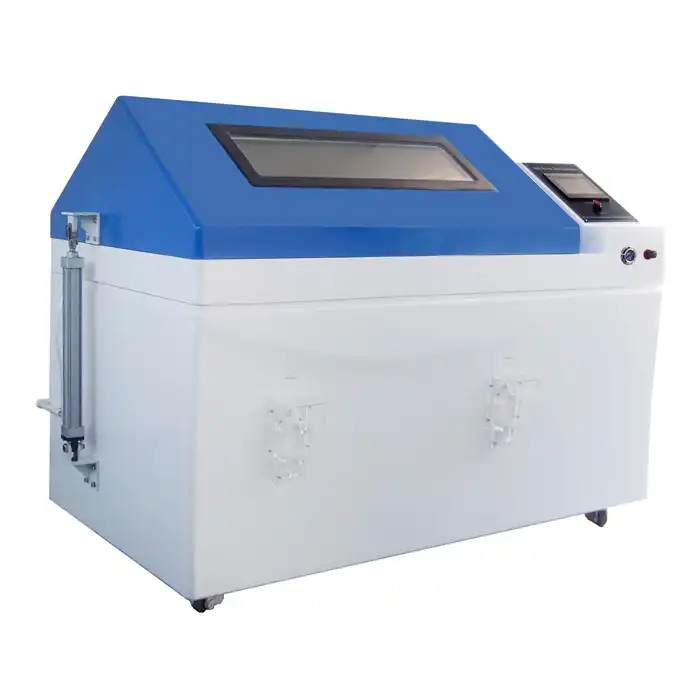
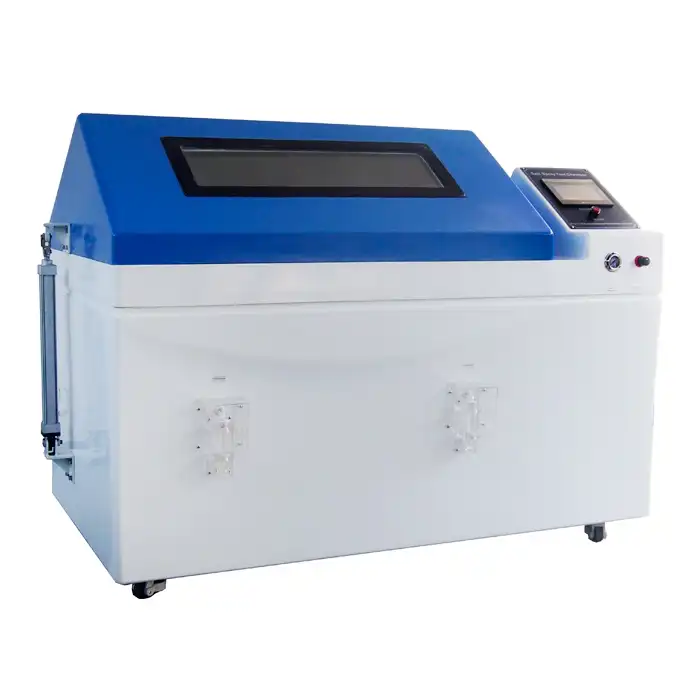
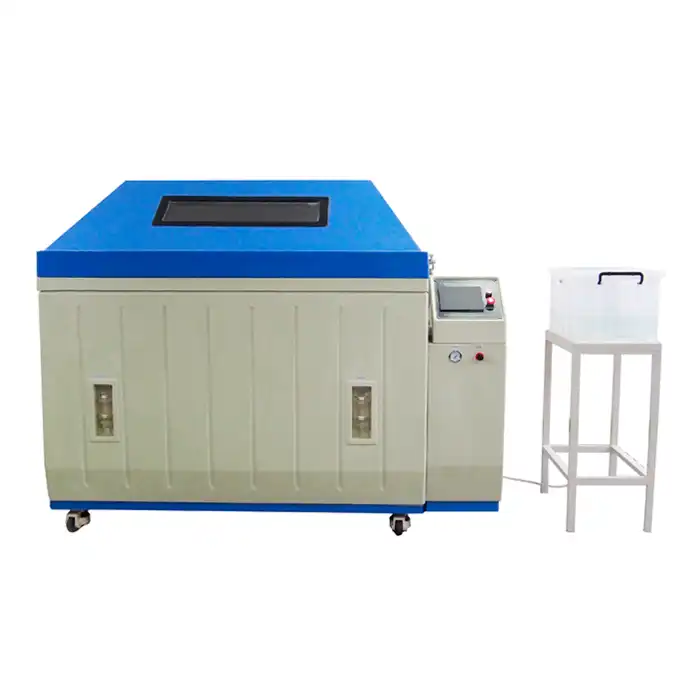
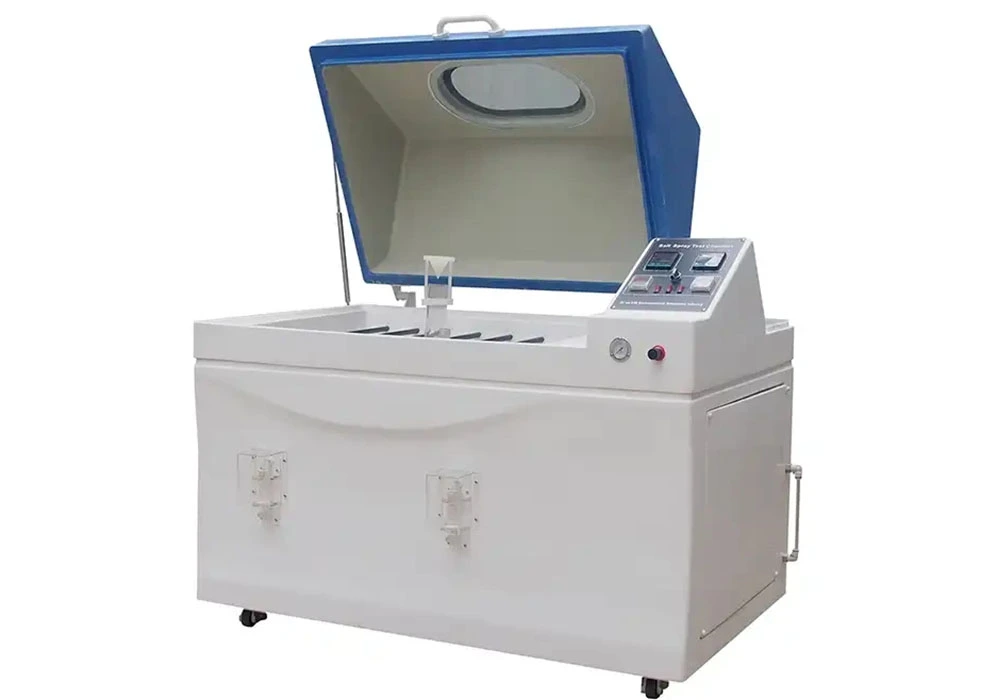
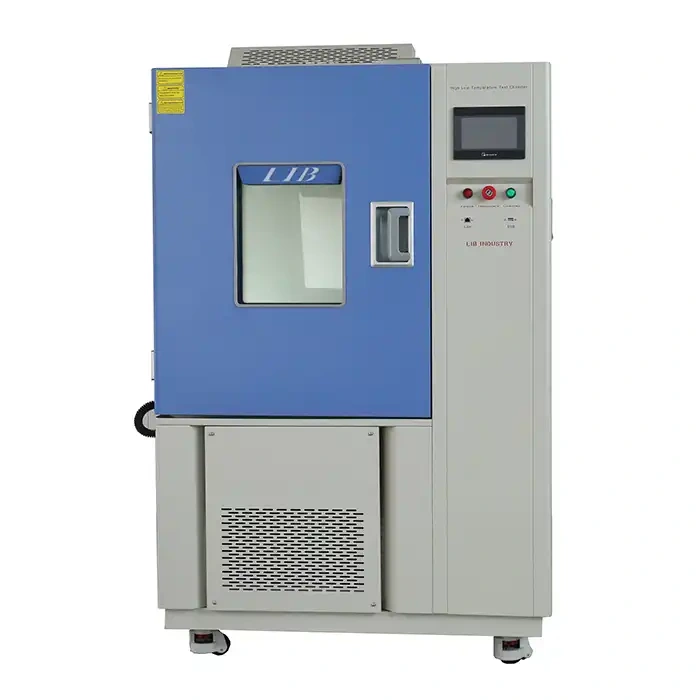
LIB Industry provides salt fog test machines for corrosion resistance testing according to ASTM, ISO, and JIS requirements. The chambers are designed to maintain stable test conditions for repeatable salt spray exposure across different product applications.
|
|
|
Key advantages include:
-
Multiple Standard Support: Configurations can be used for ASTM B117, ISO 9227, and JIS Z 2371 testing requirements.
-
Stable Temperature and Humidity Conditions: Designed for consistent environmental conditions during extended testing.
-
Touchscreen Control: Test parameters can be easily set and monitored through the programmable controller.
-
Corrosion-Resistant Construction: The chamber is designed with corrosion-resistant materials for long-term salt spray operation.
-
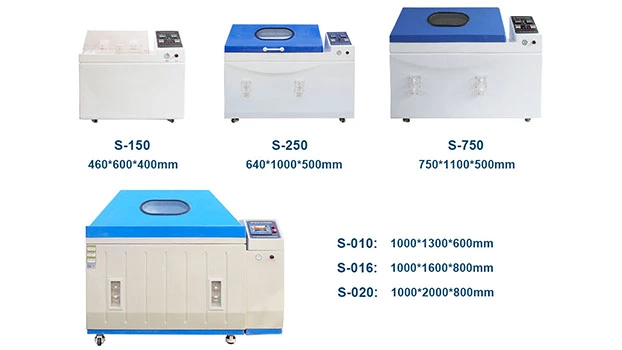
Multiple Chamber Sizes: Different capacities are available for small components, coated specimens, and larger industrial parts.
For laboratories and manufacturers testing products for different international markets, selecting a chamber that can accommodate multiple test standards can reduce the need for separate equipment.
Warranty and Technical Support
LIB Industry supports its salt fog test machines with:
-
3-Year Manufacturer Warranty / 36 months
-
Lifetime free technical support
-
Traceable factory calibration, with an ISO 17025-related calibration report where applicable
-
24/7 remote video assistance
-
48-Hour Spare Parts Express via DHL/FedEx
Related Corrosion Testing Products
|
|
|
|
| Salt Spray Test Chamber Designed for standard salt spray and corrosion resistance testing, with configurations for ASTM B117 and other applicable requirements. |
Cyclic Corrosion Test Chamber Suitable for cyclic corrosion programs where salt exposure is combined with changing environmental conditions. |
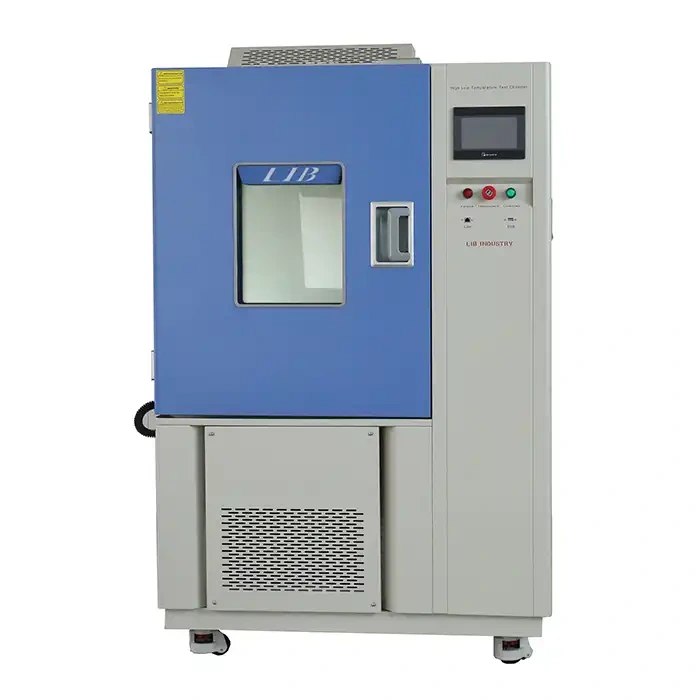
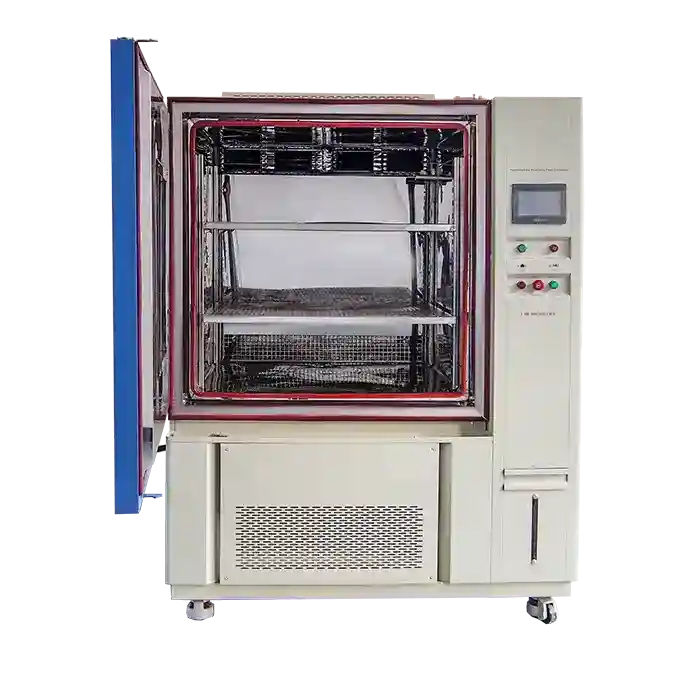
Temperature & Humidity Test Chamber Used for controlled temperature and humidity conditioning before, after, or alongside corrosion testing. |


Choose the Right Salt Fog Test Machine for Your Standard
Whether you are testing automotive components, metal coatings, electronic parts, or other corrosion-sensitive products, the required standard should determine the chamber configuration and test conditions.
Tell us your test standard, specimen size, required exposure time, and test method, and LIB Industry can recommend a suitable salt fog test machine.
Request a quote: ellen@lib-industry.com

.webp)