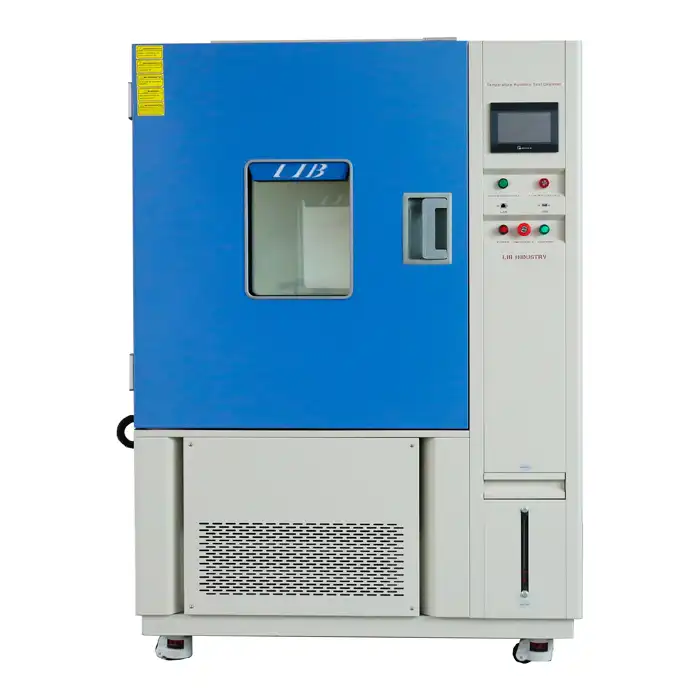
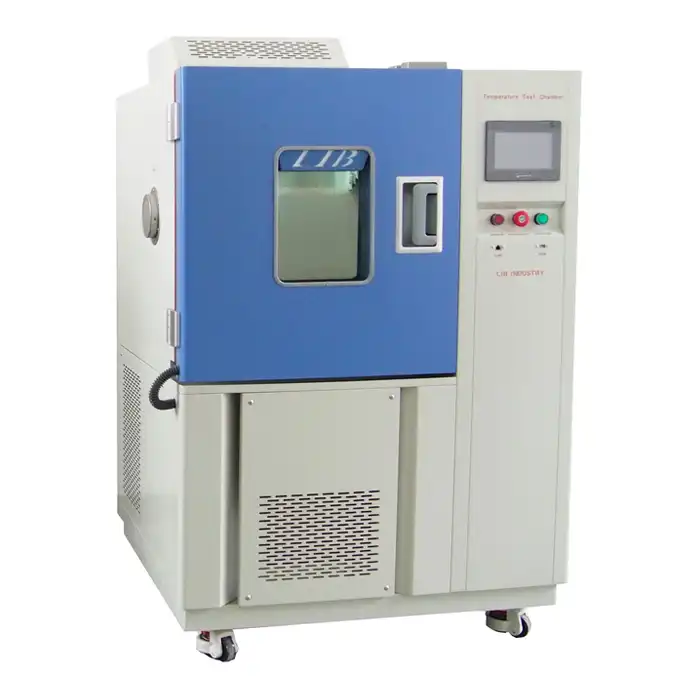
Understanding the ASTM G154 UV Test Machine and Test Method
ASTM G154 is a standardized test method developed by ASTM to evaluate the weathering resistance of nonmetallic materials. It simulates the damaging effects of long-term outdoor exposure to sunlight and moisture using fluorescent UV lamps and condensation.
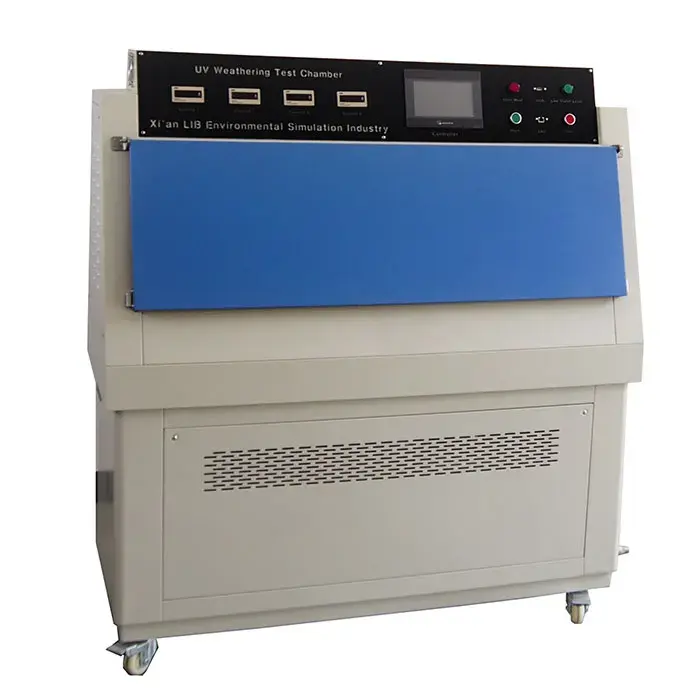
The ASTM G154 UV test machine is widely used to evaluate materials such as plastics, coatings, sealants, textiles, and other nonmetallic products. By exposing specimens to controlled cycles of UV radiation and moisture, manufacturers can compare material durability and identify potential degradation before products are used outdoors.
Understanding the ASTM G154 Test Method
Principles of ASTM G154
The ASTM G154 test method is based on the principle of accelerated weathering. It reproduces selected effects of natural outdoor exposure in a controlled laboratory environment, allowing manufacturers and researchers to evaluate material degradation in a shorter and more repeatable test program.
An ASTM G154 UV test machine exposes test specimens to controlled cycles of UV radiation and moisture. The UV exposure simulates the damaging effects of sunlight, while condensation or water spray represents moisture exposure such as dew, rain, and humidity.
By alternating between these conditions, the test creates controlled environmental stresses that can be used to evaluate changes in material performance.
Key Parameters in ASTM G154 Testing
Several parameters are important when configuring an ASTM G154 UV test machine:
-
UV Intensity: The strength of UV radiation applied to the specimens, typically measured in W/m².
-
Wavelength: The UV wavelength range produced by the selected fluorescent UV lamps.
-
Exposure Time: The duration of each UV exposure cycle.
-
Condensation Parameters: The temperature and duration of the moisture cycle.
-
Total Test Duration: The overall exposure period, which may range from hundreds to thousands of hours depending on the test program.
These parameters should be selected according to the applicable test procedure, material, and intended application. A properly configured chamber helps maintain stable and repeatable exposure conditions throughout the test.
Types of UV Lamps Used in ASTM G154
ASTM G154 allows different types of fluorescent UV lamps to simulate different portions of solar UV radiation:
-
UVA-340 Lamps: Provide a close simulation of sunlight in the critical short-wavelength UV region.
-
UVA-351 Lamps: Designed to simulate sunlight filtered through window glass.
-
UVB-313 Lamps: Provide more severe UV exposure and may be used for accelerated testing of highly durable materials
-
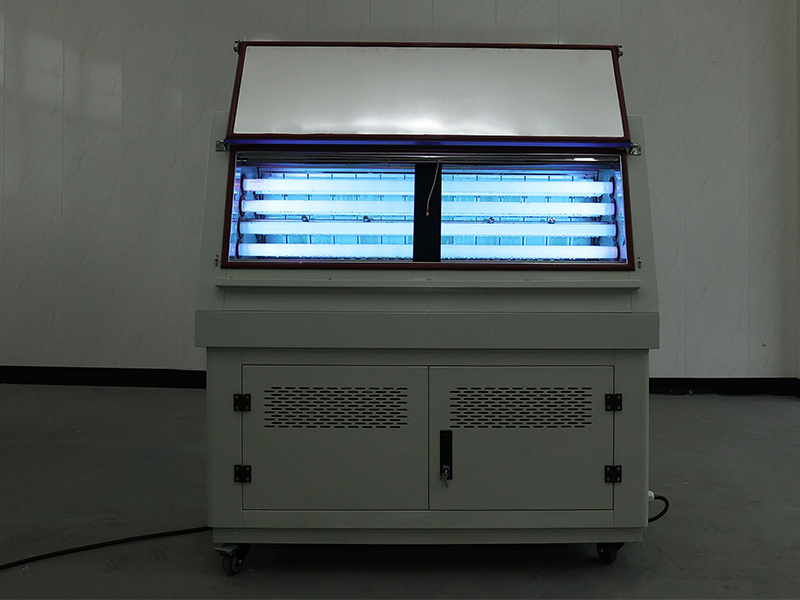
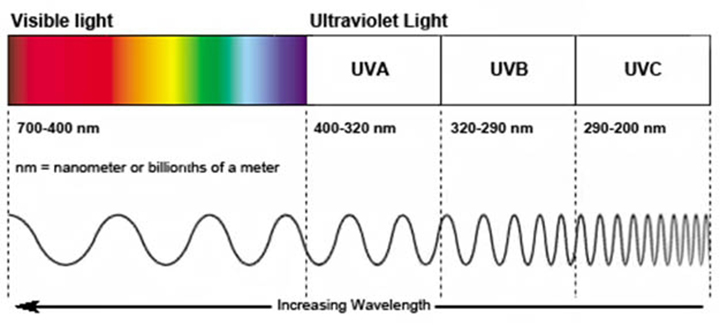
The appropriate lamp depends on the test requirements and the material being evaluated. Different lamps have different spectral distributions, so lamp selection is an important part of establishing a suitable ASTM G154 test program.
LIB Industry provides ASTM G154 UV test chambers with controlled UV exposure and moisture cycles.
Applications and Industries Utilizing ASTM G154
Automotive Industry Applications
The automotive industry uses the ASTM G154 UV test machine to evaluate the durability of components exposed to outdoor conditions, including exterior coatings, plastic trim, and other nonmetallic materials.
For example, automotive paints can be evaluated for color fading, gloss retention, and surface degradation. Plastic components such as headlight lenses and bumpers can also be tested for yellowing, cracking, or embrittlement after accelerated UV and moisture exposure.
These results help manufacturers compare material formulations and identify potential durability issues during product development.
Construction and Building Materials
ASTM G154 is also used to evaluate the weathering resistance of building materials, including roofing materials, exterior paints, sealants, coatings, and cladding materials.
For example, roofing materials can be exposed to repeated UV and moisture cycles to evaluate changes in appearance and protective performance. Exterior coatings can be assessed for color retention, chalking, surface deterioration, and other visible changes.
Textile and Fabric Testing
The textile industry uses ASTM G154 to evaluate the colorfastness and durability of fabrics and dyes exposed to UV radiation and moisture.
This is particularly relevant to outdoor textiles such as awnings, outdoor furniture fabrics, protective fabrics, and other products designed for outdoor use. Testing can help identify changes in color, strength, and overall material condition after controlled accelerated exposure.
Interpreting and Analyzing ASTM G154 Test Results
Visual Assessment Techniques
One of the primary ways to evaluate specimens after testing with an ASTM G154 UV test machine is visual inspection. Test specimens can be examined for changes such as color fading, surface cracking, chalking, gloss loss, and other visible degradation.
Visual assessments are often performed at defined intervals during the test to monitor how the material changes over time.
Standardized color scales and gloss meters can also be used to make these evaluations more objective. For example, color changes can be measured using a spectrophotometer and expressed as Delta E values, while gloss retention can be measured as a percentage of the original gloss level.
Quantitative Analysis Methods
In addition to visual assessment, ASTM G154 test results may be supported by quantitative analysis of material properties, including:
-
Mechanical Properties: Changes in tensile strength, elongation at break, or impact resistance.
-
Surface Analysis: Techniques such as FTIR or XPS to investigate chemical changes at the material surface.
-
Weight Loss: Measurement of specimen weight before and after exposure.
-
Optical Properties: Changes in light transmission or haze for transparent materials.
These measurements provide objective data for comparing material formulations and evaluating changes caused by accelerated weathering.
Correlation with Real-World Performance
ASTM G154 provides controlled accelerated weathering data, but the results should not automatically be interpreted as a direct prediction of a specific outdoor service life.
Manufacturers may conduct parallel studies using both ASTM G154 exposure and natural outdoor exposure to compare material performance under different environmental conditions. The resulting data can help establish a relationship between laboratory test results and real-world performance for a specific material and application.
The correlation can vary depending on the material, exposure conditions, climate, and other environmental factors. Therefore, ASTM G154 results are most useful when interpreted together with the applicable material requirements and outdoor exposure data.
ASTM G154 UV Test Machine by LIB Industry
LIB Industry manufactures accelerated weathering equipment for UV and moisture exposure testing. Our UV accelerated weathering chambers can be configured for ASTM G154 test programs with controlled UV exposure, condensation, and specimen temperature.
The equipment is designed for repeatable laboratory testing and can be configured according to specimen size, lamp type, exposure cycle, and test requirements.
LIB Industry also provides:
-
3-Year Manufacturer Warranty / 36 months
-
Lifetime free technical support
-
Traceable factory calibration with CE / ISO 17025 reports
-
48-Hour Spare Parts Express via DHL/FedEx
-
Installation, commissioning, and operator training
-
24/7 remote video assistance
From equipment selection to installation and after-sales support, LIB Industry can help laboratories build an ASTM G154 weathering test setup suited to their testing requirements.
Related Weathering Test Equipment
|
|
|
|
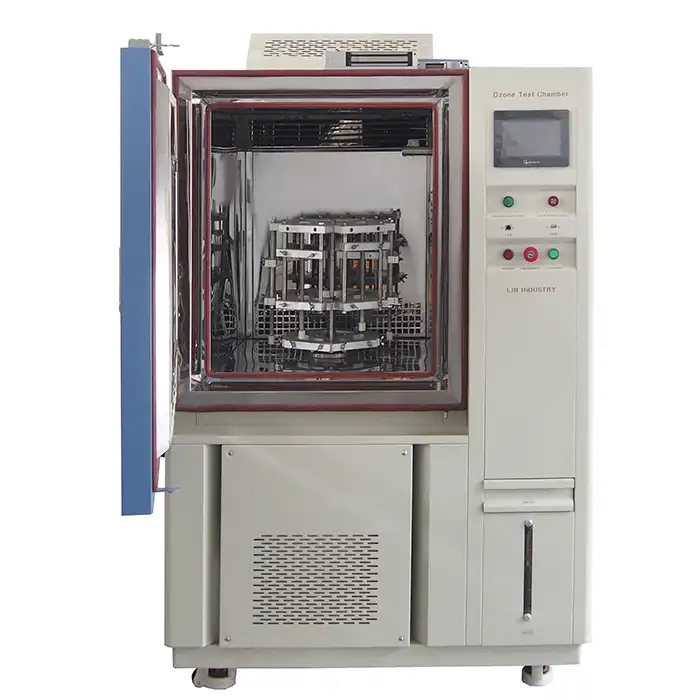
Xenon Arc Weathering ChamberFor testing that requires a broader solar spectrum, xenon arc weathering chambers can simulate UV, visible light, heat, and moisture exposure according to standards such as ASTM G155 and ISO 4892-2. |
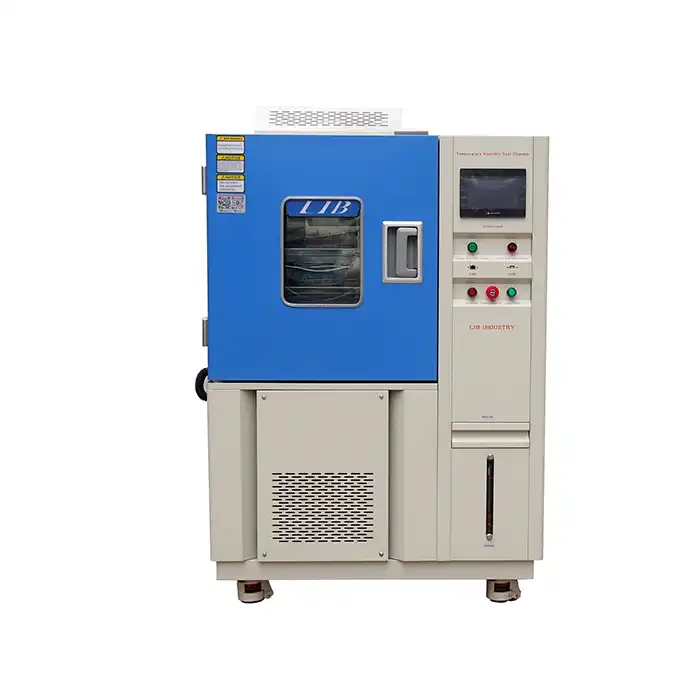
Temperature & Humidity Test ChamberTemperature and humidity chambers provide controlled environmental conditioning and are suitable for evaluating material performance under specified temperature and humidity conditions before or after weathering tests. |
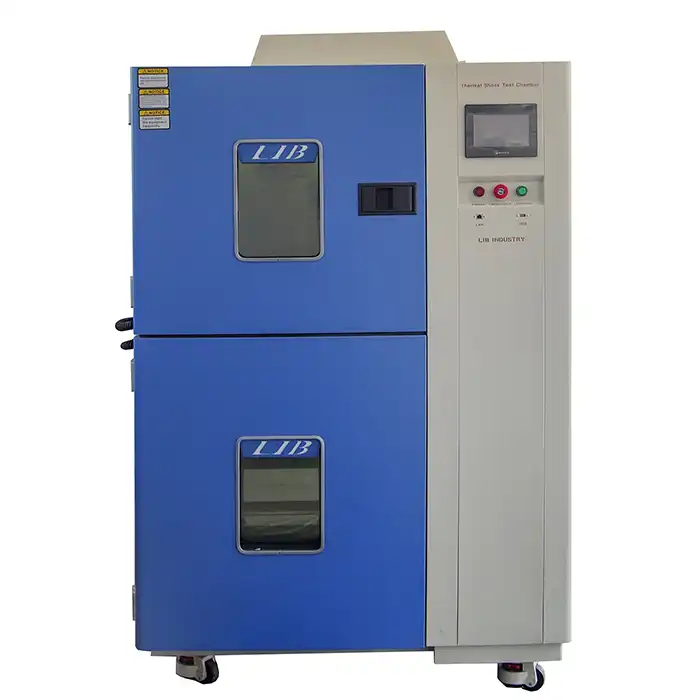
Thermal Cycling ChamberThermal cycling chambers are used to expose materials and components to repeated temperature changes, helping evaluate performance under alternating high- and low-temperature conditions. |


Conclusion
The ASTM G154 test method provides a controlled approach for evaluating the weathering resistance of nonmetallic materials through fluorescent UV radiation and moisture exposure. It is widely applied to automotive components, construction materials, textiles, coatings, plastics, and other products exposed to outdoor environments.
Selecting the appropriate UV lamp, exposure cycle, moisture conditions, and evaluation method is essential for obtaining meaningful and repeatable results.
Looking for an ASTM G154 UV test machine for your laboratory? Contact LIB Industry at ellen@lib-industry.com with your material, specimen size, required lamp type, and test conditions to receive a configuration-based quotation.、


.webp)