What Are the 5 Common Problems with Small Climatic Chambers and How Can You Fix Them?
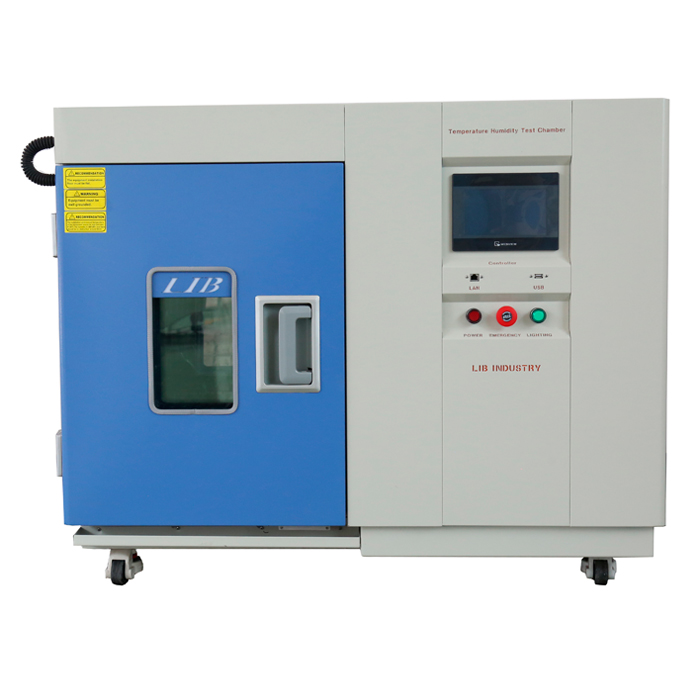
Small climatic chambers provide controlled temperature and humidity conditions for testing electronics, automotive components, and other products. However, temperature instability, humidity errors, frost, poor airflow, and controller faults can affect test accuracy and equipment reliability.
Need a reliable small climatic chamber? Contact LIB Industry for model recommendations and a quotation within 24 hours.
What Causes Temperature Fluctuations in Small Climatic Chambers?
Temperature instability can produce inconsistent test results and make it difficult to maintain the required setpoint.
Common Causes
-
Faulty or poorly calibrated temperature sensors
-
Worn heating elements or cooling components
-
Damaged door seals or inadequate insulation
-
Incorrect controller settings
How to Fix Temperature Problems
Check the temperature readings against a calibrated reference instrument. Inspect the heating and refrigeration systems, door seals, and controller settings. If fluctuations continue, arrange sensor calibration or component replacement.
Regular temperature mapping can also help identify uneven conditions inside the chamber.
How Can You Resolve Humidity Control Problems in Small Climatic Chambers?
 A small climatic chamber may struggle to reach or maintain the target relative humidity when its sensors, water supply, or humidity control system are not working properly.
Common Causes
-
Malfunctioning humidification or dehumidification systems
-
Blocked water lines or insufficient water supply
-
Incorrectly calibrated humidity sensors
-
Air leakage around the chamber door
How to Fix Humidity Problems
Check the water supply and humidification system for blockages or leaks. Verify the humidity sensor calibration and inspect the door seals. If the chamber still cannot maintain the required humidity, the control system or humidity components may need professional inspection.
Looking for a chamber with reliable temperature and humidity control? LIB Industry offers temperature and humidity chambers in different capacities to suit laboratory testing requirements.
Why Do Condensation and Frost Form in Small Climatic Chambers?
Condensation and frost may appear during low-temperature testing or rapid temperature changes. Excessive moisture can affect specimens and interfere with stable chamber operation.
Common Causes
-
Moisture entering when the door is opened
-
Damaged door seals or insulation
-
Excessive humidity during low-temperature operation
-
Restricted airflow or frost buildup on cooling components
How to Prevent Condensation and Frost
Inspect the door seals and insulation, minimize unnecessary door openings, and follow the recommended temperature and humidity test sequence. Check the cooling system if frost accumulates repeatedly.
Do not remove frost by using tools or methods that could damage the chamber. Follow the manufacturer's defrosting and maintenance instructions.
How Do You Fix Airflow Problems in Small Climatic Chambers?
Uneven airflow can create temperature differences between specimen locations, reducing the consistency of test results.
Common Causes
-
Blocked or malfunctioning circulation fans
-
Specimens blocking air outlets or return paths
-
Overloading the chamber
-
Damaged or obstructed air ducts
How to Improve Air Distribution
Keep specimens within the recommended loading limits and avoid blocking air inlets and outlets. Inspect the circulation fans and ducts, and remove any obstructions.
If temperature uniformity remains poor, perform a chamber temperature mapping test to identify problem areas and determine whether maintenance or professional adjustment is required.
What Should You Do When a Small Climatic Chamber's Control System Fails?
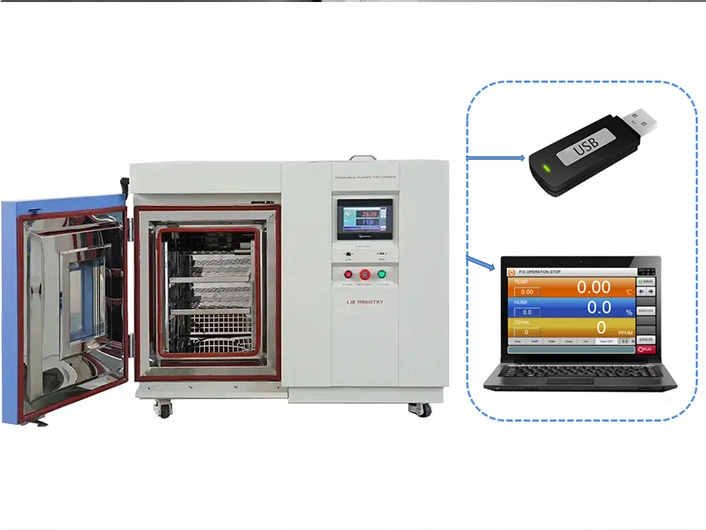
 Controller faults can cause incorrect readings, unexpected alarms, interrupted test programs, or missing test data.
Common Control System Problems
-
Unresponsive touchscreens or control panels
-
Sensor error messages
-
Unexpected changes to programmed test profiles
-
Incomplete or interrupted data logging
How to Fix Control System Issues
Check the alarm messages, sensor connections, and power supply. Verify the programmed test settings and restart the system only as instructed in the user manual. Back up test data before making software or configuration changes.
If the problem persists, contact the manufacturer for troubleshooting. Avoid replacing control boards or changing calibration parameters without qualified technical support.
How Can You Keep a Small Climatic Chamber Running Reliably?
Routine maintenance helps prevent recurring problems and maintain dependable test conditions.
-
Calibration: Verify temperature and humidity sensors at the recommended intervals.
-
Cleaning: Keep the chamber interior, water lines, and airflow paths clean.
-
Inspection: Check door seals, fans, and refrigeration components regularly.
-
Correct loading: Leave sufficient space for air circulation around specimens.
-
Technical support: Investigate recurring alarms or control errors rather than repeatedly resetting the equipment.
LIB Industry provides environmental test chambers with a 3-year manufacturer warranty, lifetime technical support, and remote video assistance. Installation, commissioning, and operator training are also available according to project requirements.
Which LIB Industry Products Can Support Your Environmental Testing?
|
|
|
|
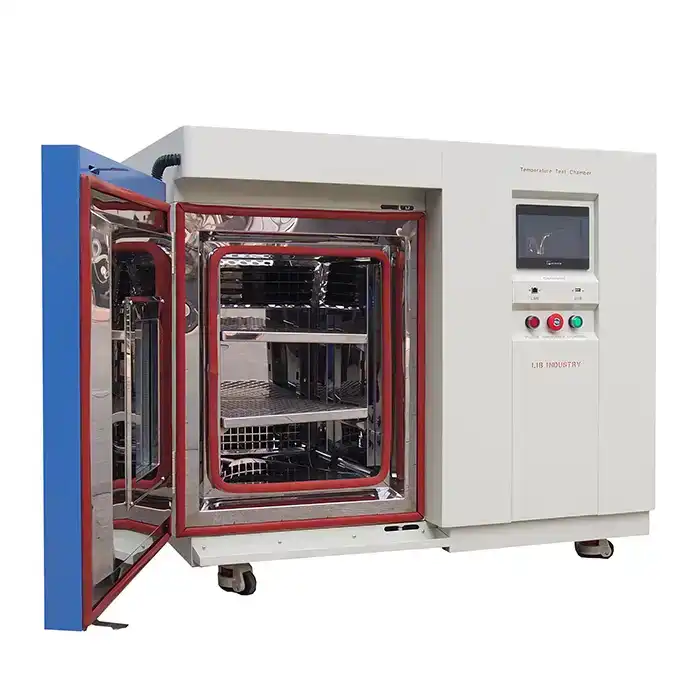
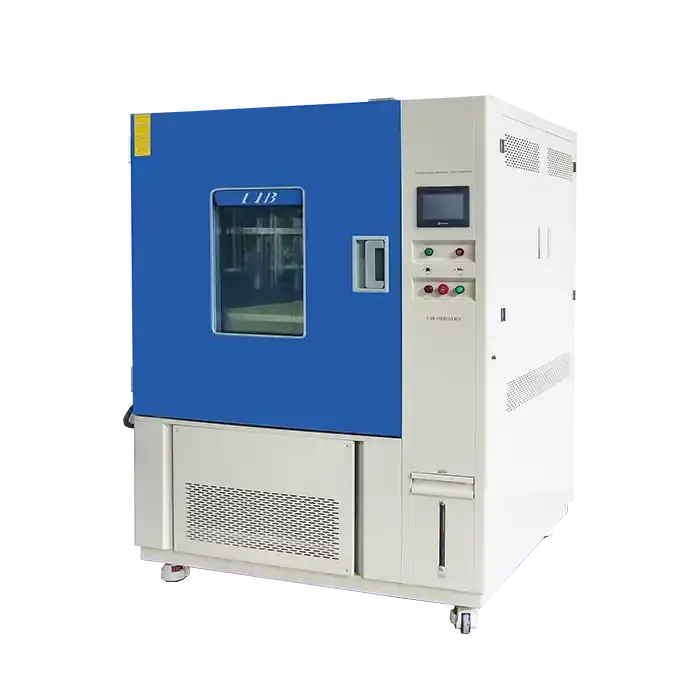
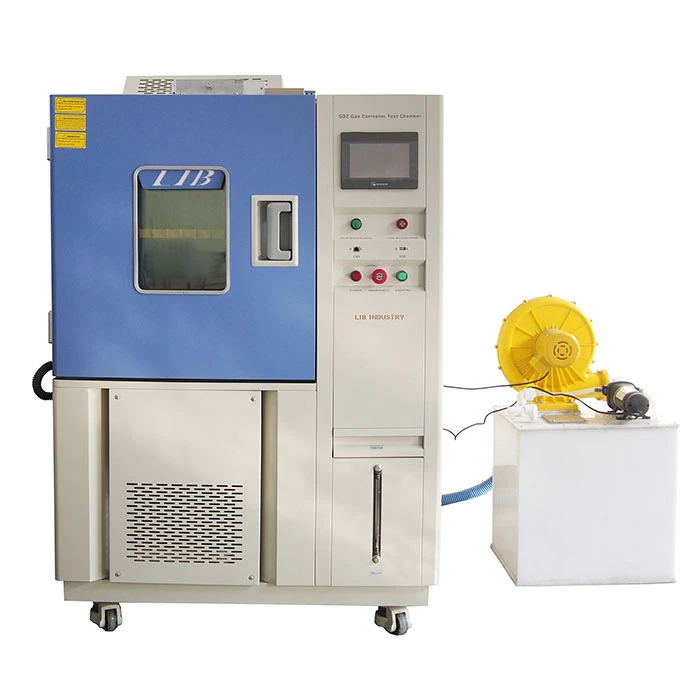
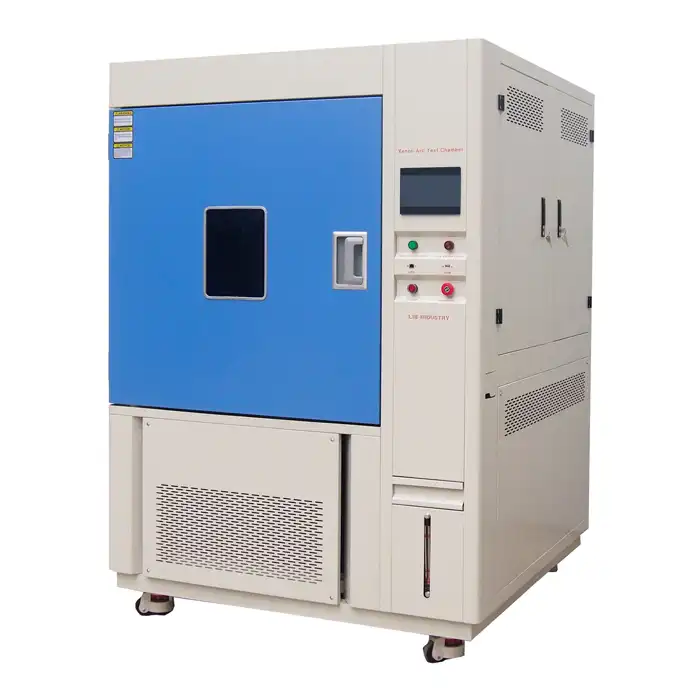
| Benchtop Environmental Chamber: A compact option for laboratory testing of small components under controlled environmental conditions. | Temperature Humidity Chamber: Designed for testing products under specified temperature and relative humidity conditions. | Thermal Cycling Chamber: Suitable for evaluating product performance during repeated temperature changes. |


Conclusion
The five common problems with small climatic chambers—temperature fluctuations, humidity control errors, condensation and frost, poor airflow, and control system faults—can often be reduced through proper loading, regular maintenance, and timely calibration. Persistent problems should be assessed by qualified technicians to avoid unreliable test results or unnecessary equipment downtime.
Contact LIB Industry
If your small climatic chamber cannot maintain the required test conditions, share your target temperature and humidity ranges, specimen dimensions, and applicable test standard with LIB Industry. Our team can help identify a suitable chamber configuration.
Contact ellen@lib-industry.com for product information and a quotation. Service support includes a 36-month warranty, lifetime technical support, and 48-hour spare-parts dispatch options, subject to the agreed service terms.

.webp)
.webq.jpg)